
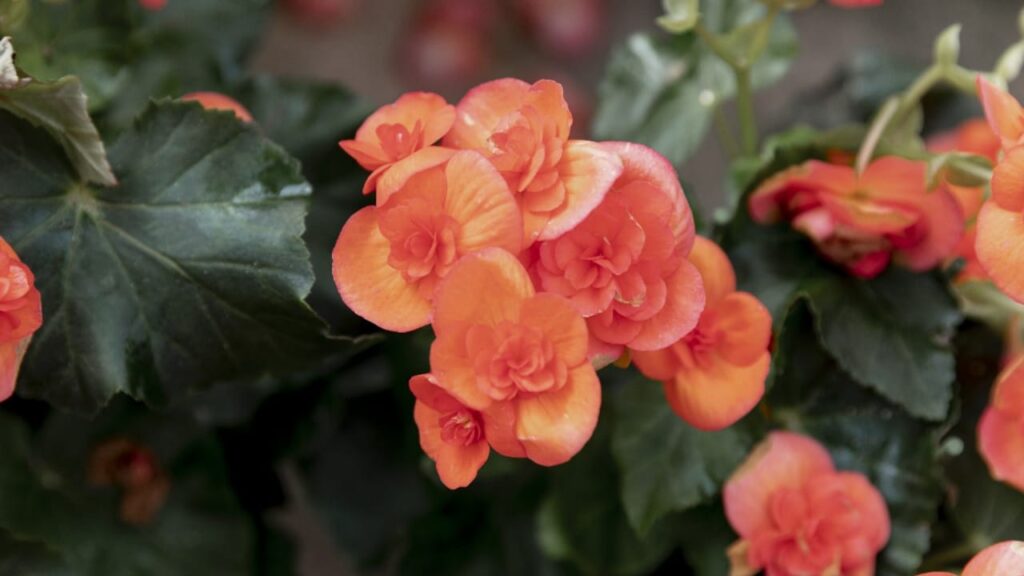
As a cat owner, I’ve grown begonias in my flowerbeds and large pots for their colorful blooms. But many homeowners don’t realise these lovely flowering plants can be poisonous if consumed by cats. Be careful where you grow your begonia plants to keep your pets safe.
Are Begonias Poisonous to Cats? The Answer
Begonias are beautiful but poisonous to cats, causing symptoms like excessive salivation, vomiting, and a swollen mouth if consumed. Some types, such as Rex, Polka Dot, Wax, Angel Wing, and Tuberous Begonias, are especially dangerous.
If your cat eats any begonia, contact a vet immediately. To keep your pets safe, place begonias out of reach or choose cat-friendly plants like spider plants, Boston ferns, or calathea instead.
Symptoms of Begonia Poisoning in Cats
If your cat eats part of a begonia, you might quickly observe clear signs of begonia poisoning. As someone who’s dealt with similar issues before, here are the common symptoms I’ve noticed:
- Excessive salivation
- Oral sores
- Redness around the mouth
- Swelling of the mouth and tongue
- Constant licking of the lips or grimacing
- Vomiting
- Dehydration
- Inability to swallow
- Refusal of food and water
If these appear, it can signal serious complications that may become life-threatening, so I’d urge pet owners to take their cat directly to a vet.
What to Do If Your Cat Eats a Begonia (Vet Expectations)
If a cat eats a begonia, a veterinarian should be contacted right away for treatment of begonia poisoning. The vet will begin with a physical examination and may do blood tests to check the animal’s health.
Usually, this type of poisoning is mild and clears within 2 days, but a vet might recommend a mild diet to help soothe any irritation or swelling in the throat or digestive system.
If the cat has refused water, the vet may treat for dehydration by administering fluids. This is often done using a needle in the veins, making sure the organs keep working properly until recovery.
The Most Toxic Begonia Types for Cats
Many cat parents love beautiful plants like begonias for their stunning, vibrant colors and unique leaf patterns, but not all of them realise how Some types can be for their feline friends. Let’s look at which begonias are the most dangerous for your pet and why you should be extra vigilant.
Rex Begonias
Rex Begonias have a reputation as the rebels of the plant world. Their high calcium oxalate content can cause a swollen mouth, difficulty swallowing, and an upset tummy in your cat with even a small nibble.
For the safety of your homes and curious kitties, it’s best to keep these repeat offenders out.
Polka Dot Begonias
Polka Dot Begonias (Begonia Maculata) with their spotted leaves look amazing from afar, but their high oxalate content makes them just as dangerous.
If ingested, they can lead to severe symptoms, so be extra cautious when bringing these beauties into your home.
Other Begonias to Watch Out For
Some other begonias are also a threat due to their harmful compounds and toxicity:
These types can cause a range of symptoms, from mild irritation to severe health issues, depending on the specific type your cat is exposed to.
Always look up and determine if your new begonia plants are toxic before bringing them into your home, and trust trusted sources like the ASPCA and LifeLine Animal Project for the best advice to protect your furry friends.
How to Cat-Proof Your Home from Begonias
Keeping our feline friends safe from begonias can be a real challenge, but for their safety, it’s worth making your space cat-proof.
In my own home, I’ve found that placing these plants in high places like high shelves or hanging baskets makes it hard for any cat to reach, even though they’re natural climbers with impressive limits.
Another effective method is setting up baby gates or using closed terrariums to create a secure barrier between your cats and the plants, so you can still enjoy their beauty without constantly worrying about curious pets.
Safe Alternatives: Cat-Friendly Houseplants
If you want to keep your feline friends safe while still enjoying the beauty of indoor plants, try swapping your begonias for truly cat-friendly houseplants. In my experience, these are some of the best safe options:
These choices allow you to decorate your home without worrying about your cats getting sick, making it easy to protect your curious pets and enjoy healthy greenery inside.
Related Articles: Are Mums Poisonous to Cats? Are African Violets Toxic to Cats? Is String of Pearls Toxic to Cats?
