
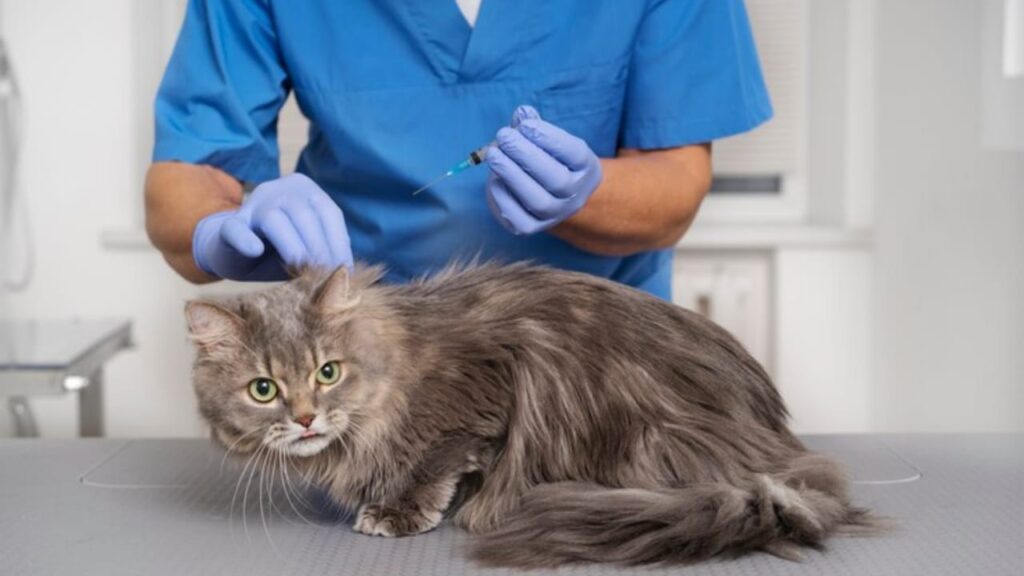
Antibiotics may help and improve cats with bacterial infections. However, veterinarians are cautious about giving these drugs to ensure antibiotic resistance is avoided.
Talk to the veterinarian before you give your cat antibiotics. The correct medication keeps cats healthy.
Non Prescription Antibiotics for Cats The Answer
If a cat is dealing with a bacterial infection, a vet must prescribe antibiotics. You should be careful when applying different forms of drugs to your cat, as it may become anxious.
It is not recommended to use medicines for humans on your pet cat. If your pet develops diarrhea or swelling, contact the vet immediately and use the recommended dosage until it is done.
How to give a cat antibiotics?
Administering the right antibiotics and dose is necessary for cats. Difficulties can be avoided as the calming is done differently for tablets, liquids, creams, or ear drops in your pet.
- Taking a tablet, breaking it in half, and blending it into their food will help.
- Apply creams using gloves to save your skin and keep your cat as calm as possible.
- Ear drops should be used by firmly picking up your cat, ensuring not to upset them.
Caring for your cat with advice from your vet is the safest. Always use the proper approach to make the moment easier, and give your cat a treat when it cooperates.
Types of Cat Antibiotics With and Without Vet Prescriptions
Be sure to pick appropriate antibiotics after consulting a vet and considering the disease. Doctors use various antibiotics for various feline medical problems.
After performing sensitive tests and cultures, a vet often decides on the best antibiotic. They assist in finding the antibiotics that will work best for a given patient.
Some antibiotics are given without medical advice, and each one is made for treating different problems:
This antibiotic is used commonly to help treat skin and urinary infections.
- Enrofloxacin: Another broad-spectrum antibiotic, effective against blood, respiratory, bladder, and skin infections.
- Metronidazole: Used for GI tract issues, anaerobic infections, dental infections, and periodontal disease.
- Cephalexin: Treats bone, soft tissue, urinary tract, and respiratory infections.
- Clindamycin: Useful for dental and oral infections.
- Doxycycline: Effective against Chlamydia felis infections, eye irritation, heartworm, and Ehrlichiosis disease.
- Amoxicillin: A penicillin-type antibiotic that treats feline skin issues, cat ear infections, urinary tract infections, and respiratory infections.
After considering your cat’s needs, you can decide whether to give your cat a prescription or a nonprescription product.
Allergic Reaction to Antibiotics in Cats
A few cats may suffer severe allergic reactions if they take certain antibiotics. Watch for the following indications when a person has such a condition. Contact your vet to discuss your questions if you notice anything from the list above.
- A poor desire to eat
- Being unable to move the feet in synchrony
- Difficulty breathing
- Facial swelling
- Fever
- Skin rash
Catching these increases your chance of providing your cat the best care and a comfortable life.
Can I get my cat antibiotics without a prescription?
Only a vet can give your cat antibiotics, as they know the correct dose to treat cat infections. When people receive antibiotics for no reason, some bacteria become resistant. Consult with your vet about the ideal ways to keep your cat in good health.
Over the Counter Antibiotics for Cats
Over-the-counter antibiotics for cats provide options to help restore health by targeting bacterial infections and offending microbes. Both humans and cats can experience problems when it comes to their health.
While some antibiotics require vet approval, a few types can be bought without a prescription from an expert. These ideas help to treat your furry friends safely and effectively.
Side effects of antibiotics in cats
Side effects of antibiotics in cats can happen just like in humans, though they are not very common. You should notice these symptoms and seek your vet’s help if they appear.
- Diarrhoea
- Nausea
- Loss of appetite
- Lethargy
- Never sto
If your cat improves, finishing all the antibiotics as your vet recommends is still necessary. Always supply the amount the veterinarian advises to cure the infection.perly.
Can You Give Cats Human Antibiotics?
Antibiotics and other medicines you have should never be given to your cat. First, discuss with your vet before you consider offering any antibiotics. You do not have to hesitate, as you can find quality medication for your cat at lower prices using a discount card.
