
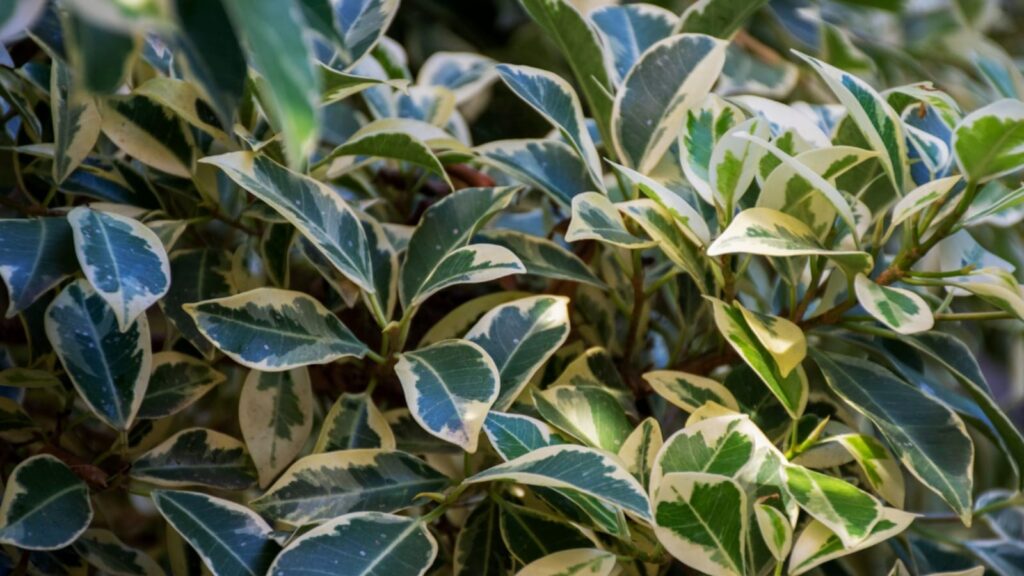
If your cat seems interested in the rubber plant (Peperomia obtusifolia), There’s no reason to be concerned. Cats scratch at leaves or nibble on the plants near a sunny window. Although you may see teeth marks on the plant’s baby rubber, it’s safe for felines.
The South American native plant flourishes indoors with the proper sunlight and humidity conditions, making it suitable for your home and your curious cat.
Are Rubber Plants Toxic to Cats? The Answer
The American rubber plant (Peperomia obtusifolia) is safe for cats. However, that tree (Ficus elastica) could be dangerous. Though eating plants may cause mild stomach discomfort or diarrhoea, it’s usually not risky.
If your cat eats poisonous plants such as the Indian rubber plant (Ficus benjamina), Contact your veterinarian immediately. To ensure your cat’s safety, you should choose non-toxic plants.
Please Put them in pots that hang or in terrariums and provide toys to keep them entertained. When uncertain about a plant’s safety, it’s best to contact a veterinarian for guidance.
Are Rubber Plants and Trees Toxic to Cats?
It is essential to distinguish between trees and rubber plants. A rubber tree called Ficus elastica can harm cats, so it must be kept out of access.
However, the American rubber plant, also known as pepper face and belonging to the family of Peperomia Obtusifolia, is safe. According to the ASPCA, the plant is not harmful to cats. Knowing the safe plants for pets to avoid accidents is an excellent idea.
What Happens if a Cat Eats a Rubber Plant?
If your cat has eaten the American rubber plant, there’s no reason to be concerned since it’s not poisonous to dogs or cats. However, your cat may be upset, particularly in sensitive stomachs.
Some felines vomit upon eating something unfamiliar because they are carnivores obligately with digestive systems designed to digest meat but not whole plants.
If your cat urinates several times but returns to diet, there’s no reason to worry. Short-lived diarrhoea that disappears by itself isn’t usually an issue.
If your cat has eaten an identical plant, it is likely that this Indian tree (Ficus benjamina), also known as the weeping fig, can be toxic to cats. Immediately call your veterinarian.
My Cat Ate a Rubber Plant: When to Call a Vet?
If you notice your cat eating the American rubber plant or any other non-toxic houseplant, contact your vet immediately if any of the following symptoms occur:
- Vomiting repeatedly
- They refuse to have food or drinks during their next mealtime
- Feels tired or weak
- Has uncontrolled diarrhoea
- Ate a plant you can’t identify
The Signs of Plant Poisoning in Cats
If you suspect that your Feline Friend might have consumed an odorous plant, it is recommended that you visit the vet immediately. Signs of plant poisoning in cats include:
- Breathing difficulties
- Salivating
- Vomiting
- Diarrhoea
- Fitting
- Shock
- Collapsing
While a mild form of poisoning can go away by itself, it’s not sure that it won’t get worse, so it’s crucial to seek help from a medical professional immediately.
How to Keep Your Cat Safe From Houseplants?
If you want your cat to live peacefully with greenery in your home, ensure your plants are safe. You can change your home to ensure your cat’s safety. Use hanging baskets from the ceiling. Also, ensure your area is clear of furniture, as cats are often unaware of how high they can jump.
It is also possible to keep smaller plants in a container. If your cat spends a lot of time with your plants, it could indicate boredom. Thus, giving fresh toys or treats may assist. A cat that is exhausted and energized will not be a tad naughty.
Related Articles: Is String of Pearls Toxic to Cats? Are Begonias Poisonous to Cats? Are Mums Poisonous to Cats? Are African Violets Toxic to Cats?
